
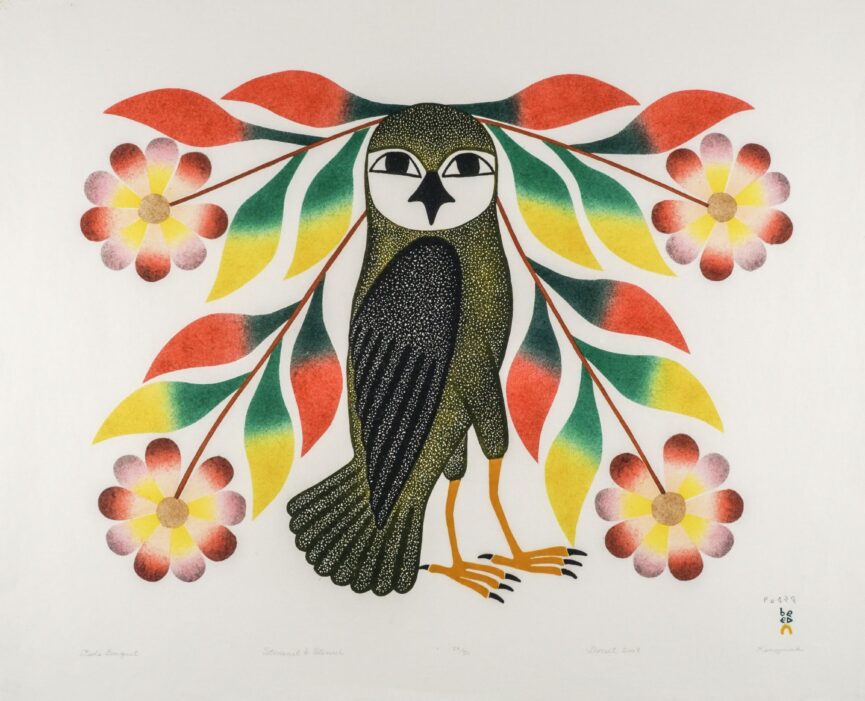
(Digitized catalogue below) “For my subject matter I don’t start off and pick a subject as such; that’s not my way of addressing a drawing. My way of doing it is to start without a preconceived plan of exactly what I am going to execute in full, and so I come up with a small part of it which is … Read More
Kenojuak Ashevak: Queen of Canadian Art
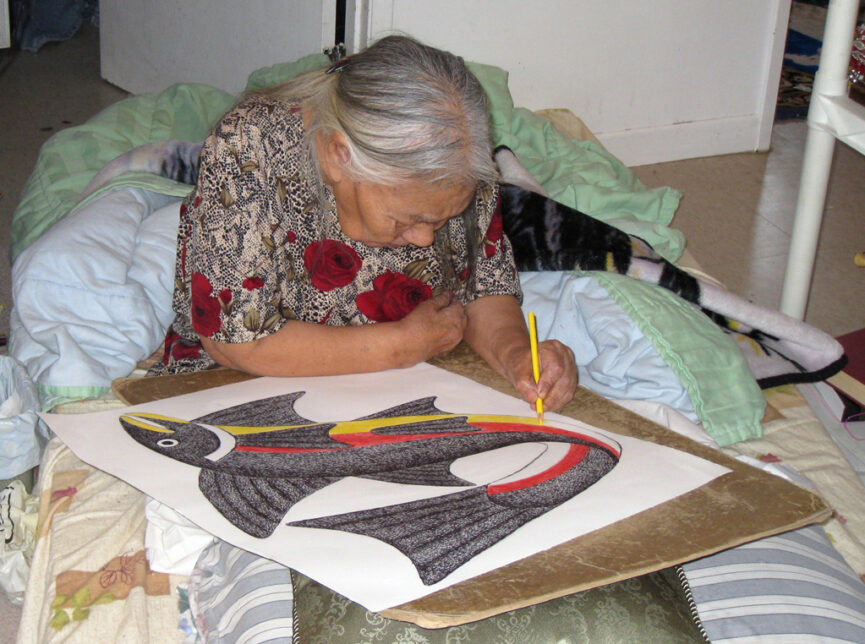
This blog comes from a two-part series from guest writer, Edd Guarino. Edd is an established contemporary art collector, specializing in Native American and Inuit Art. For art lovers and collectors worldwide, Kenojuak Ashevak’s prints are the face of both Inuit and contemporary Canadian art. Though famous for her prints, Kenojuak produced art in a variety of other media such … Read More
Kenojuak Ashevak: A Collector’s View
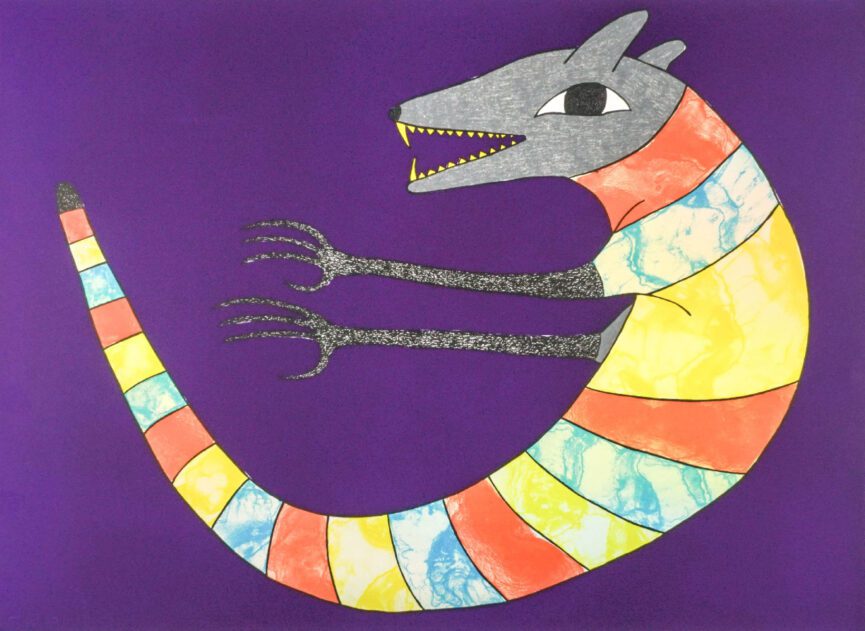
Even when she was well into her eighties, Inuit artist Kenojuak Ashevak (usually simply referred to as Kenojuak) continued to produce powerful images that were always fresh and surprising. Her unique vision made her one of Canada’s most important contemporary artists whose work is sought after by museums and collectors worldwide. Her body of work ranges from highly stylized representational … Read More
Patricia Feheley talks about “Rarities & Fusion”

In May 2023 the gallery was thrilled to present a double-feature exhibition event showcasing two stellar shows: Rarities – Coveted Cape Dorset prints; and Fusion – Collaborative Drawings. At the opening reception on May 27, Pat Feheley spoke on the importance of collaboration at the Kinngait Studios and its integral existence since the very first printmaking experiments in the late … Read More
Rarities: Coveted Cape Dorset Prints
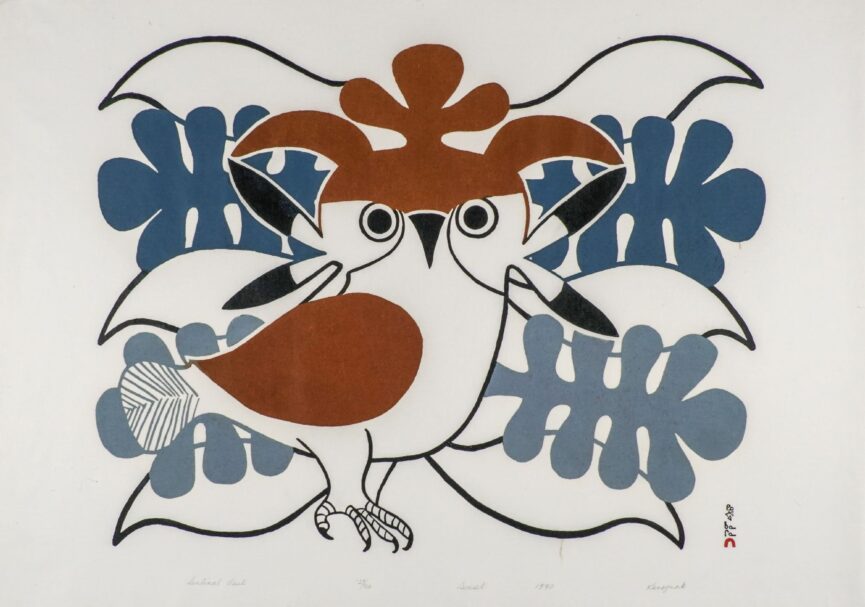
Where were you in 1962 when Parr’s compelling stonecut Man and Whale was released in the Annual Cape Dorset Print Collection? Would anyone then have predicted that the young co-operative art studio in a small Arctic hamlet would go on to become the longest continuously-running print studio in Canada? Today, prints from the annual collections sit in private and public … Read More
The Inuit Parka

The Inuit parka holds great cultural and historical significance. Made from animal hides and fur, or a combination of both, the parka is a coat expertly designed to keep the wearer warm in the extreme cold weather of the Arctic. While its design has evolved over time, the parka is more than just a piece of clothing; it is a … Read More
The Inuit Seal Hunt

“We have the right to hunt. We have the right to use renewable resources to feed our families. We have the right to survive.” – Tanya Tagaq [1] Seal hunting has been an important part of Inuit lifeways for centuries. A deeply rooted cultural practice, it provides an essential source of country food for communities in the North, and has … Read More
Graphite: Early Drawings from Kinngait
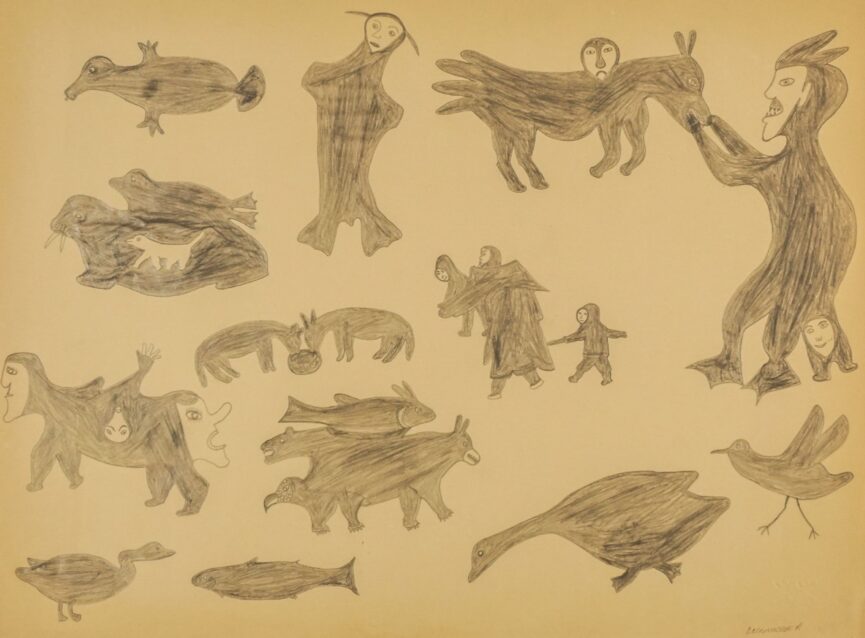
Thirty years ago, almost to the day, the seminal exhibition Strange Scenes: Early Cape Dorset Drawings opened at the McMichael Canadian Art Collection in Kleinburg, Ontario. Curated by Susan Gustavison and Jean Blodgett, the show marked the first public exhibition that placed a focus on the early graphite drawings of the late-1950s and early-1960s. Blodgett explained that the “strange scenes” … Read More
Themes in Inuit Art: Migration

The theme of migratory camp life, when hunters and their families would follow the animals with the seasons, comprises many images in Inuit art. Migratory and semi-migratory hunting camps were a way of life for Inuit living in the Canadian Arctic up until the mid-twentieth century when many began to move into permanent settlement communities. Today, camping during the spring, … Read More
Elisapee Ishulutaq: Prints & Drawings

This exhibition presents a selection of primarily prints and two oil stick drawings by Elisapee Ishulutaq (1925–2018), one of Pangnirtung’s most celebrated artists and respected cultural leaders. Known for her narrative-driven images, Ishulutaq’s work reflects the northern experience she knew. Her pieces in this show celebrate the seasonal hunting camp lifestyle that the artist lived in for the first half … Read More
Themes in Inuit Art: Sedna
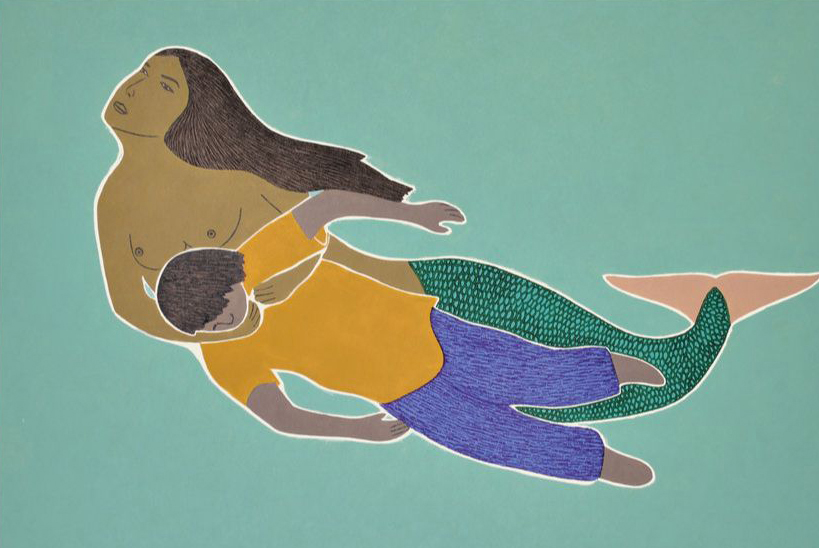
Often depicted as a mermaid-like being, the mythical sea spirit Sedna figures frequently in Inuit art. Across the Arctic exist a great number of different names for the legendary figure, including Taleelayo (“the one down on the sea bottom”) and Nuliajuk (“mother of all the beasts”). Her appearance in legends and mythology reflect the fact that for thousands of years, … Read More
Oscar Cahén’s Chess Set

Oscar Cahén was born in 1916 to a Jewish-German family. At the age of sixteen he was granted acceptance into Dresden’s State Academy for Applied Arts [1]. It was 1932. Hitler came to power one year later precipitating the onset of the Second World War. Cahén and his family were forced to flee Germany after being robbed of their citizenships. … Read More