
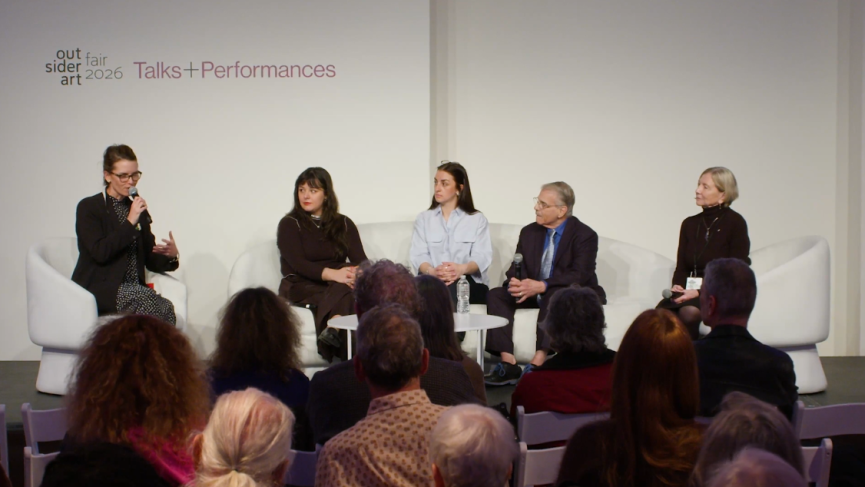
At the 2026 Outsider Art Fair in New York, Feheley Fine Arts was invited to curate the fair’s featured booth. We presented From the North, a thoughtfully conceived exhibition tracing the history of artmaking in the North from the 1950s to the present day. Through a selection of significant artworks, the exhibition highlighted the traditions of innovation, resourcefulness, and imagination … Read More
URSUS MARITIMUS: Polar Bears in Inuit Art
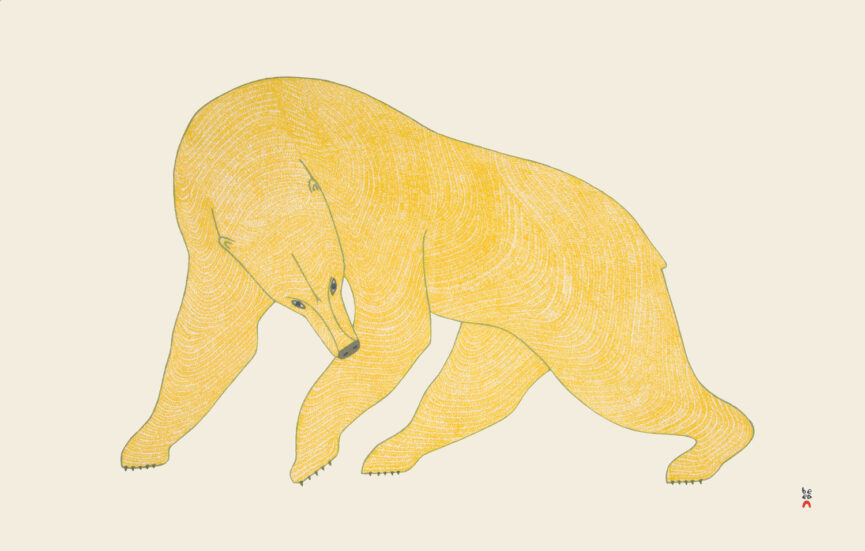
By Edd J. Guarino In Inuktitut, the language of the Inuit, the word for polar bear is nanook, or nanuq. Its Latin name is ursus maritimus. These huge animals are a fact of life in the Arctic. Their huge size and power make them very impressive creatures. The Inuit have been hunting polar bears for millennia, along with other Arctic animals. For generations, Inuit culture … Read More
Themes in Inuit Art: Drum Dancing
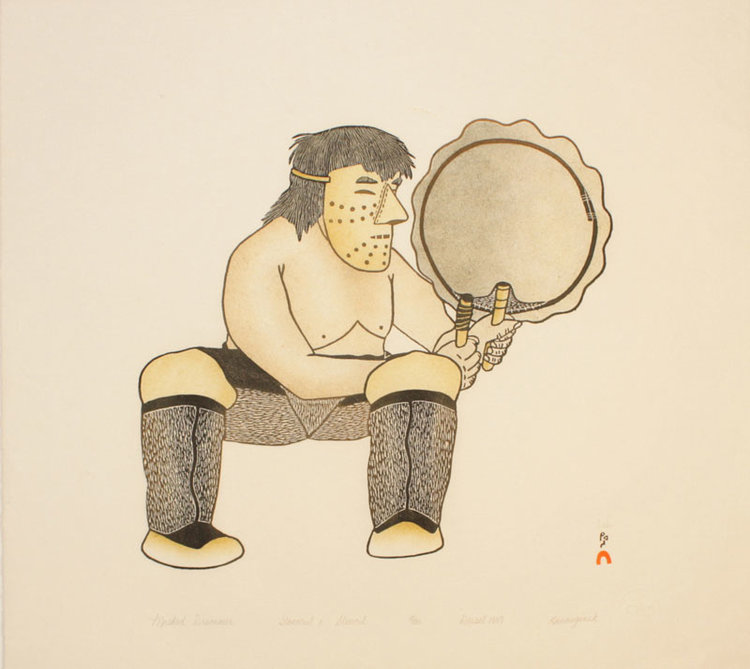
If you follow Inuit art you are most certainly familiar with the image of the drum dancer, depicted in sculpture, prints, and drawings since the 1960s. Artists like Aqjangajuk Shaa, Abraham Anghik Ruben and Luke Anguhadluq are renowned for their renditions of the subject, often a dynamic figure bending their entire body to mimic the powerful beat of the drum. Long … Read More
Sedna: The Sea Goddess
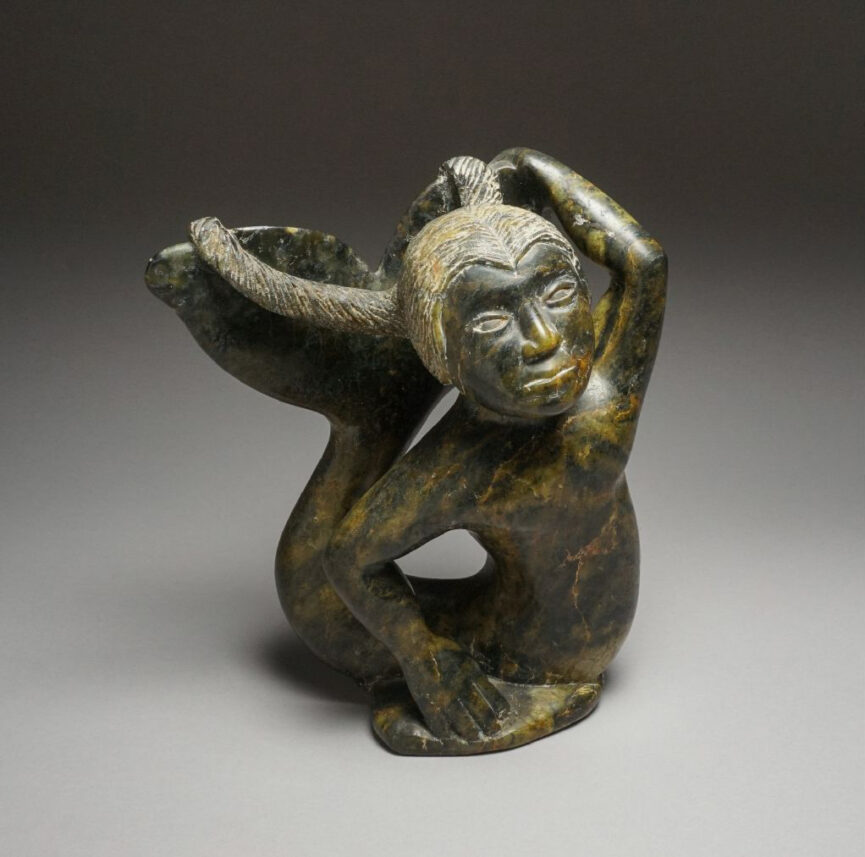
The traditional Inuit world is a place of enchantment, filled with strange spirits and supernatural beings. Governed by the unpredictable forces of nature, the Inuit used this mythology to explain, and perhaps control, these natural forces. In traditional times the spirit world was central to their culture; today, it has provided inspiration for some of the most lyrical and compelling … Read More
Qinnirajaattuq/Ripples: Making Waves in Inuit Art Symposium

Wednesday, November 6 to Friday November 8, 2024 Inuit Futures in Arts Leadership is an initiative that supports Inuit and Inuvialuit in their pursuit of higher education and professional development. Last week, they hosted a symposium on Inuit art titled “Qinnirajaattuq/Ripples: Making Waves in Inuit Art”. The event coincided with the opening of the Montreal Museum of Fine Arts‘ new … Read More
The Ulu

The ulu, known in Inuktitut as ᐅᓗ (ulu), translates to “woman’s knife.” This crescent-shaped blade is traditionally used by Inuit women and is passed down through several generations. In Inuit culture, it is considered an honour to receive an ulu from an older female relative. [2] The ulu serves various purposes, including cleaning skins, filleting fish, cutting meat for communal … Read More
Inuit Art Educational Tools

Feheley Fine Arts is delighted to present a handy guide of resources for Inuit art, aiding in identification and self-education. Navigating the world of Inuit art can be daunting, but with these curated tools, you’ll find a solid starting point. Artist Identification Katilvik is a website which allows for artist identification through either syllabic symbols (artist’s name in Inuktitut) or … Read More
Inuit Community Name Changes

How we refer to placenames in Inuit Nunangat (homelands of the Inuit) has changed over the course of time. You might wonder why some community names seem to have recently changed and why. And who decided on their non-Inuit names in the first place? Europeans in Inuit Nunangat In the late-1500s, English seaman Martin Frobisher sailed west across the … Read More
The Inuit Parka

The Inuit parka holds great cultural and historical significance. Made from animal hides and fur, or a combination of both, the parka is a coat expertly designed to keep the wearer warm in the extreme cold weather of the Arctic. While its design has evolved over time, the parka is more than just a piece of clothing; it is a … Read More
The Inuit Seal Hunt

“We have the right to hunt. We have the right to use renewable resources to feed our families. We have the right to survive.” – Tanya Tagaq [1] Seal hunting has been an important part of Inuit lifeways for centuries. A deeply rooted cultural practice, it provides an essential source of country food for communities in the North, and has … Read More
The Language that Lies Between

On October 25th, 2022, a collaborative mural by Niap (Nancy Saunders) and Olinda Reshijabe Silvano from Lima, Peru was unveiled on the wall of Kerr Hall West at Toronto Metropolitan University. Curated by Gerald McMaster, the 12-by-8-meter mural titled “Paisajes de Nosotros (Landscape of Us)” is part of the multi-stage Arctic/Amazon project coordinated by Wapatah: Centre for Indigenous Visual … Read More
Themes in Inuit Art: Migration

The theme of migratory camp life, when hunters and their families would follow the animals with the seasons, comprises many images in Inuit art. Migratory and semi-migratory hunting camps were a way of life for Inuit living in the Canadian Arctic up until the mid-twentieth century when many began to move into permanent settlement communities. Today, camping during the spring, … Read More